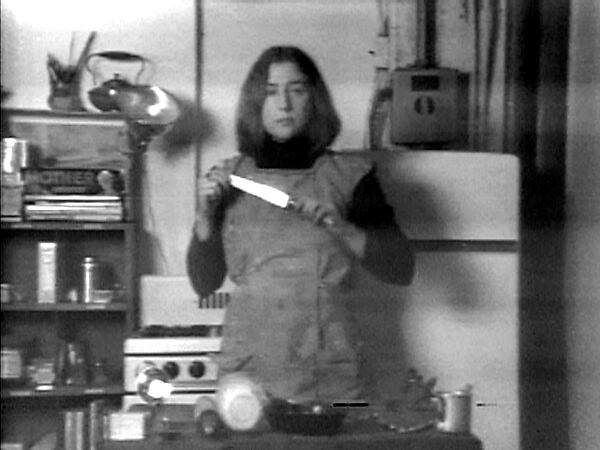
Fig. 1 ROSSLER, M. (1975) Semiotics of the Kitchen [single-channel digital video, 6 mins 9 sec]. Private collection, 2010.245. Courtesy Electronic Arts Intermix (EAI), New York
Available to watch at: https://www.youtube.com/watch?v=cNmdmSFqpSI
From its conception, food-based, socially engaged art sought to shift the focus from the ‘object oriented and personal experience’, to the ‘human-relation oriented’ (Shin and Bae, 2019). These artists use their practice to shepherd new communities whilst navigating the politics of the food preparation and the role of the artist. Using Martha Rosler’s parody ‘Semiotics of the Kitchen’ (1974, see fig. 1) to contextualise the NMWA’s ‘Reclamation: Recipes, Remedies and Rituals’ (2020 see fig. 2), socially engaged practices using food demonstrate a worthwhile development of feminist art activism.
First recognised in ‘Wages for Housework’, a second-wave feminist initiative by the IFC, the home is undeniably a political site of consumption (Toupin, 2018). Rosler’s iconic feminist parody, a step-by-step guide to the kitchen, acts as a simulacrum for domestic dissatisfaction. The domiciliary has been readily dissected in feminist theory, yet it permeates discussions as the spaces remain entrenched in reproductive labour. Consequently, to assume a contemporary, feminist practice is to partake in reshaping narratives through the creation of alternative communities and meanings. The NWMA did this in specific relation to the kitchen.
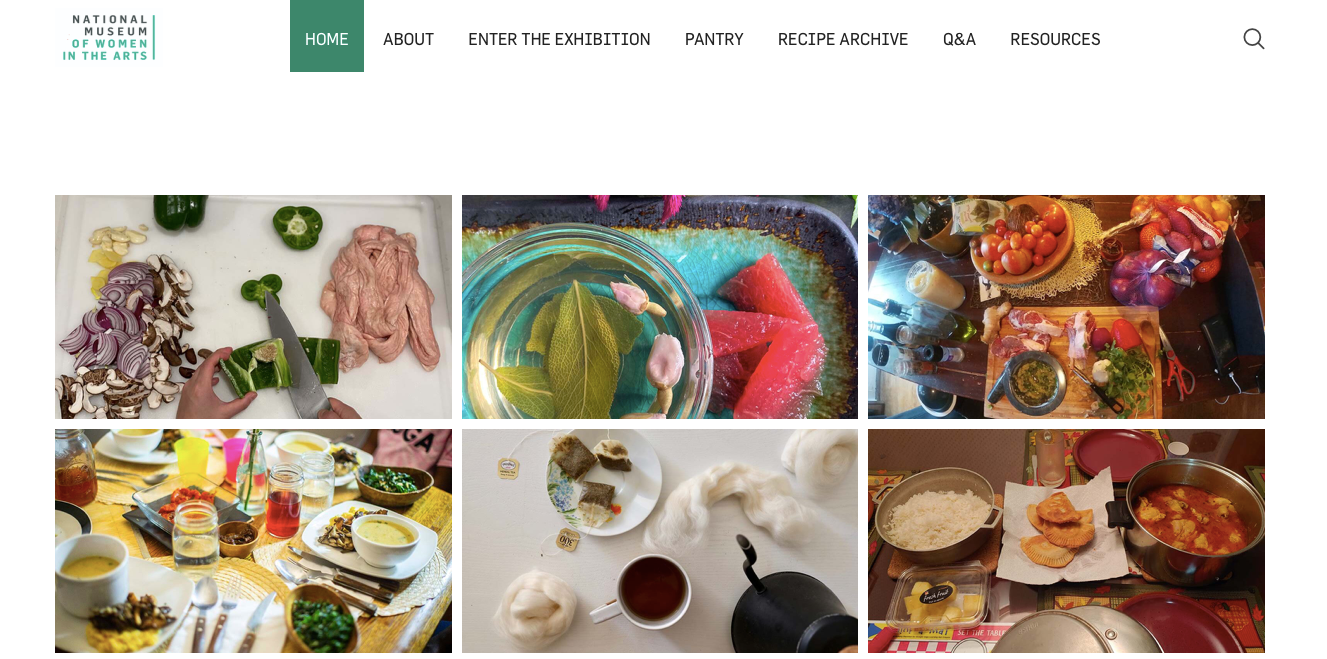
Fig. 2 NWMA (2024) RECLAMATION [screenshot]
Available at : https://wayback.archive-it.org/2972/20230304172518/https://reclamation.nmwa.org/ (Accessed: 6 June 2024)
‘Reclamation: Recipes, Remedies and Rituals’ was a socially engaged online art exhibition launched in 2020 by the NWMA (National Museum of Women in the Arts) under their WASC (Women, Arts and Social Change) initiative. It redefined domestic subservience, forming a kitchen-based community working beyond the nuclear and heteronormative. The digital ‘kitchen’ exhibition was a platform for the uploading of anecdotal videos of food preparation; a ‘pantry’ of important cultural ingredients organised by geographical regions; and a recipe list forum. Women were internationally encouraged to share cultural cooking techniques, anecdotal recipes and document mealtimes through video. Much alike Rosler’s satirical, alphabetical structure, the uploaded artwork was then compartmentalised, a parody of a found recipe book.
The food preparation was ritualised in its artistic documentation using digital video for storytelling. This format is a clear and accessible and communication tool for art activism. The women were empowered in the kitchen as storytellers, healers and collaborative artists (NMWA, 2020). Archiving these shared experiences as an activism strategy involves participators in an international reform of domestic ideals; the kitchen was transformed from a political site to a collaborative art practice. Whilst working in a similar medium to Rosler’s parody, this work transforms her early feminist concept into a worldwide exchange of experiences.
Incorporating public work in conversation with the work of contemporary artists within the exhibition operates on a community-building focus. The work operates on a necessarily collaborative scale; spectator-subject becomes the participator. Layering work deconstructs the hierarchy between the genius artist and the viewer, reimagining the typical presentation of art (NMWA, 2020). This dissent from normative artistic practices engages in social, activism-based incentives rather than the capitalist, white cube art market. Their activism challenges art practices as esoteric, but rather a communal experience. The NWMA’s social engagement campaign is twofold. Through their challenging of the politics of the kitchen, they concurrently challenge the role of the artist and act for the accessibility of art.
References List:
NWMA (2021) Behind the Scenes: RECLAMATION. Available at: https://nmwa.org/blog/nmwa-exhibitions/behind-the-scenes-reclamation/ (Accessed 6 June 2024)
NWMA (2020) Reclamation. Available at :https://wayback.archive-it.org/2972/20230304172518/https://reclamation.nmwa.org/ (Accessed 6 June 2024)
NWMA (2020) RECLAMATION: Recipes, Remedies, and Rituals online exhibition. Available at: https://nmwa.org/press/reclamation-recipes-remedies-and-rituals-online-exhibition-at-national-museum-of-women-in-the-arts/ (Accessed 6 June 2024)
SHIN, R and BAE, J (2019) ‘Conflict Kitchen and Enemy Kitchen: Socially Engaged Food Pedagogy’ Studies in Art Education: A Journal of Issues and Research, 60(3), pp. 219-235. Available at: https://doi.org/10.1080/00393541.2019.1640501 (Accessed 6 June 2024)
THE MET (2024) Semiotics of the Kitchen. Available at: https://www.metmuseum.org/art/collection/search/292051 (Accessed: 6 June 2024)
TOUPIN, L (2018) Wages for Housework. A History of an International Feminist Movement, 1972-77. UK: Pluto Press
ZERO VIOLENZA (2012) Semiotics of the Kitchen – Martha Rosler – 1975. Available at :https://www.youtube.com/watch?v=cNmdmSFqpSI (Accessed on 6 June 2024)
Bibliography:
GRIFFIN, G. (2017) A Dictionary of Gender Studies. Oxford: Oxford University Presshttps://www.oxfordreference.com/display/10.1093/acref/9780191834837.001.0001/acref-9780191834837-e-246#:~:text=Marx’s%20division%20of%20labour%20into,of%20women’s%20inequality%20in%20patriarchy.